Dubai’s commercial sector is dynamic, with office towers, retail hubs, and hospitality spaces evolving rapidly. For companies planning a fit-out project, whether it’s a new office, boutique store, or hotel lounge, delays can be costly. Missed deadlines not only increase project costs but can also disrupt operations, marketing plans, and business launches.
This guide offers practical, step-by-step advice on preventing delays and managing timelines effectively. It incorporates local regulatory requirements, contractor coordination, and the realities of construction in Dubai.
Table of Contents
Understanding the Fit-Out Process in Dubai
A fit-out project involves transforming a shell or bare space into a functional, branded environment. Before managing timelines, it’s essential to understand the fit-out process and its stages. Fit-outs vary depending on the type of space:
- Commercial Offices: Prioritize functional layouts, ergonomic furniture, IT infrastructure, and compliance with accessibility standards. For example, a Dubai Media City office may need advanced cabling for media production.
- Retail Spaces: Focus on customer flow, display areas, branding elements, and high-traffic flooring materials. Popular malls like Dubai Mall or Mall of the Emirates require additional coordination with mall management.
- Hospitality Spaces: Emphasize aesthetics, guest experience, and compliance with hygiene and safety regulations. Hotels in Downtown Dubai often demand custom finishes and MEP designs for high-end interiors.
Typical fit-out stages in Dubai
Knowing the stages upfront allows you to plan accurately and spot potential delays early.
- Site Assessment and Client Briefing
Before any design work, it’s crucial to understand the existing space. This involves reviewing structural constraints, ceilings, load-bearing walls, and MEP (mechanical, electrical, plumbing) systems. Early identification of challenges helps avoid surprises later. - Design Development
Architects and interior designers develop concepts, layouts, and 3D renderings. Multiple rounds of client feedback are common, so allocating time for revisions avoids last-minute design changes. - Technical Drawings and Approvals
Detailed architectural, structural, and MEP drawings are prepared. In Dubai, these must meet the requirements of local authorities. Submissions to the Dubai Municipality (DM), Dubai Civil Defence (DCD), and sometimes the landlord are mandatory. - Procurement and Logistics
Ordering materials, furniture, and fixtures requires careful planning. Lead times vary, particularly for imported items. Delays in procurement are one of the leading causes of schedule overruns. - Construction and Installation
The construction phase includes demolition (if any), structural adjustments, electrical and plumbing works, partitioning, flooring, and finishes. Coordination between contractors and subcontractors is critical to avoid work clashes. - Snagging, Inspection, and Handover
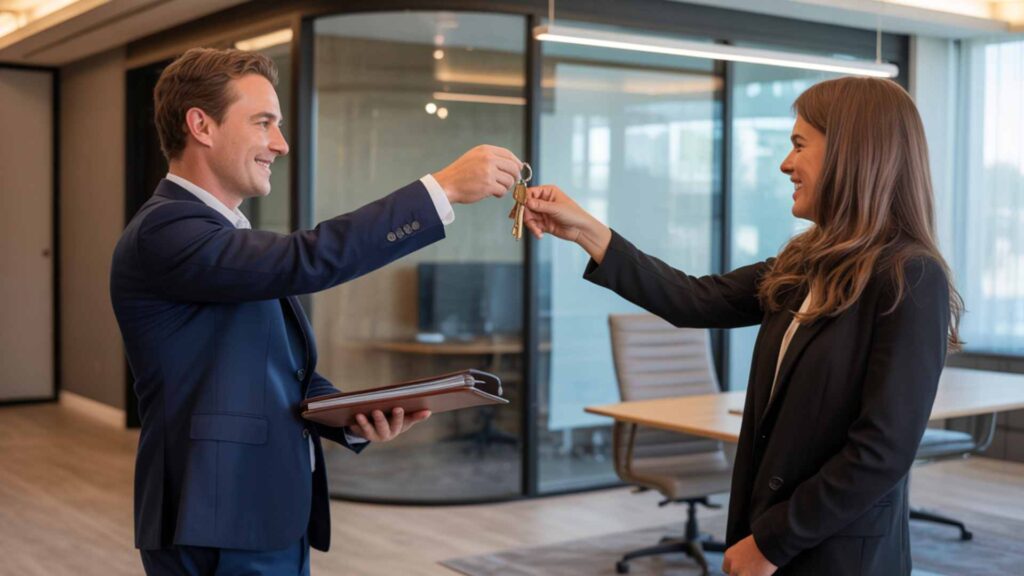
A final inspection identifies defects or incomplete work. Addressing these promptly ensures the project can be handed over on time.
Establishing a Realistic Timeline
Setting realistic deadlines is the first step in avoiding delays. Overly ambitious schedules increase the likelihood of rushed work, mistakes, and rework.
Steps to plan your timeline:
- Break the project into phases: design, approvals, procurement, construction, inspection, and handover.
- Assign realistic durations to each phase. For example, a standard office fit-out in Dubai can take 10–14 weeks, while a high-end corporate office or large retail space can take 3–6 months.
- Identify dependencies: Certain tasks, like electrical installation, cannot start until walls or partitions are ready.
- Include buffer time (typically 10–15%) to handle unexpected delays such as shipping issues, labor shortages, or approvals taking longer than anticipated.
- Use visual tools like Gantt charts to map dependencies and milestones.
By planning realistically, you can avoid last-minute rushes and maintain project quality.
Managing Dubai’s Regulatory Approvals
One of the biggest sources of delay in Dubai fit-outs is waiting for approvals. Each authority has its own requirements, and missing documentation can set back the project by weeks.
Key approvals include:
- Dubai Municipality (DM): Required for structural changes, partitions, or modifications to MEP systems. Documents must include detailed drawings, calculations, and compliance certificates.
- Dubai Civil Defence (DCD): Ensures compliance with fire safety regulations. Delays often occur when fire safety plans are incomplete or conflict with building layouts.
- Developer/Landlord Approvals: Some buildings have specific requirements for elevators, emergency exits, or shared services.
Tips to speed up approvals:
- Submit complete and accurate documents the first time. Incomplete submissions are the most common cause of delays.
- Engage a contractor experienced with Dubai approvals, like Dura Altaj Contracting, who can anticipate authority requirements and prevent repeated submissions.
- Schedule internal reviews before submitting to authorities to catch mistakes early.
- Maintain a tracker for each approval, with expected timelines and responsible contacts.
Choosing the Right Contractor
Your contractor has a huge impact on project timelines. In Dubai, experienced firms like Dura Altaj Contracting employ teams that understand local regulations, material availability, and common site challenges.
What to look for in a contractor:
- Proven experience in Dubai fit-outs.
- Knowledge of local building codes and municipal procedures.
- Ability to manage multiple trades and subcontractors efficiently.
- Good communication and a proactive approach to problem-solving.
Contractors who anticipate issues, maintain strict schedules, and communicate effectively can prevent delays before they occur.
Effective Project Management Practices
Even with a solid plan and a capable contractor, delays can still occur if oversight is inconsistent. Effective project management ensures that small issues are caught early and the project stays on schedule.
Best practices include:
- Regular Site Visits: Frequent inspections help confirm that work aligns with approved plans and quality standards. Checking partitions, finishes, and MEP installations at every stage prevents surprises during later phases. For instance, spotting a misaligned ceiling grid early can save days of rework.
- Progress Meetings: Weekly updates with contractors, designers, and suppliers help identify potential bottlenecks before they impact the timeline. Assign clear owners for each task and document actions to ensure accountability.
- Documentation: Track approvals, design changes, and communications in a centralized system. A shared online project folder keeps drawings, permits, and vendor correspondence organized, reducing miscommunication and ensuring everyone works from the latest information.
- Task Sequencing and Resource Planning: Schedule trades carefully to avoid clashes. Electrical work should follow partition installation, and painting should come after all wiring is in place. Ensure labor and materials are available when needed to prevent idle time.
- Change Management: Establish a clear process for handling design or scope changes. Evaluate how each change affects cost and schedule before approving it, and document it thoroughly to avoid confusion.
- Risk Monitoring and Contingency Planning: Identify potential risks early, such as import delays, labor shortages, Dubai-specific challenges like summer heat or public holidays, and have backup plans ready.
- Client Communication: Keep clients updated on progress and potential delays. Early warnings allow faster decisions on approvals, material substitutions, or schedule adjustments.
A hands-on approach allows project managers to address minor issues before they escalate into major delays. For example, use a shared online project folder to centralize drawings, approvals, and vendor communications. This avoids miscommunication and ensures accountability.
Procurement and Supply Chain Management
Material delays are common in Dubai projects, especially for imported or custom finishes.
How to prevent procurement-related delays:
- Order long-lead items early, sometimes even before construction begins.
- Maintain close communication with suppliers to track shipping and delivery schedules.
- Keep a buffer stock for critical items when feasible.
- Consider alternatives if certain items are unavailable locally or have extended lead times.
Planning procurement carefully ensures that construction can continue smoothly.
Handling Construction Challenges
Construction is where most delays occur. Common issues include labor shortages, weather conditions, and coordination between trades.
Strategies to manage construction efficiently:
- Labor Planning: Ensure the contractor schedules enough skilled workers for peak workloads.
- Task Sequencing: Coordinate trades to avoid work clashes, for example, electrical work should not be scheduled before partitions are complete or painting should follow electrical and HVAC work.
- Quality Control: Conduct inspections at each stage to prevent rework. Rework is a major source of delays.
- Climate Considerations: Dubai’s summer heat can affect certain materials and curing times, so schedule tasks accordingly.
Snagging and Final Inspections
The snagging stage involves identifying and fixing minor defects before handover. Skipping or delaying this step can push the completion date further.
Key points during snagging:
- Inspect structural elements for cracks or misalignment. Check partitions, ceilings, and floor leveling.
- Test MEP systems, lighting, and HVAC.
- Check flooring, paint, and finishes for quality.
- Verify all work meets design specifications.
Promptly addressing snagging issues ensures a smooth handover and avoids unnecessary delays.
Understanding Cost Implications of Delays
Delays are expensive. They increase labor costs, extend rent obligations, and sometimes trigger penalties from landlords or suppliers.
Managing costs effectively:
- Include a contingency budget in your project plan.
- Monitor spending closely to identify overruns early.
- Prioritize critical-path tasks to avoid cascading delays that increase costs further.
Understanding the financial impact of delays helps teams make decisions that balance speed with quality.
Leveraging Technology for Timeline Management
Project management software can be a game-changer:
- Real-time updates on task completion help everyone stay informed.
- Centralised document storage prevents lost drawings or approvals.
- Task assignment and progress tracking ensure accountability.
- Budget tracking tools help monitor costs alongside timelines.
Using technology allows teams to proactively manage delays instead of reacting to them.
Post-Completion Handover and Support
Even after construction, timelines matter. A structured handover ensures that operational delays are minimised.
Steps include:
- Transfer all documentation, warranties, and maintenance guides.
- Conduct training sessions for facility managers or staff.
- Collect client feedback for continuous improvement.
This ensures that the tenant can occupy the space immediately and operate efficiently.
Best Practices to Ensure On-Time Delivery
To summarize, successful projects rely on:
- Clear Communication: Maintain open lines between contractors, clients, and suppliers.
- Buffer Planning: Account for unforeseen challenges in your schedule.
- Proactive Problem-Solving: Identify potential bottlenecks before they escalate.
- Continuous Improvement: Review past projects and incorporate lessons learned.
Implementing these practices reduces the risk of delays and enhances project efficiency.
Conclusion
Preventing delays in a fit-out project in Dubai requires careful planning, coordination, and proactive management. From understanding local regulations and obtaining timely approvals to selecting experienced contractors, managing procurement, and monitoring construction progress, each step contributes to timely completion.
With Durra Altaj Contracting, your project benefits from expertise in Dubai’s regulatory requirements, practical scheduling strategies, and efficient execution. We ensure your fit-out meets deadlines while maintaining quality and functionality.
Contact Durra Altaj Contracting to discuss your project timeline and start planning a fit-out that delivers on time and on specification.